You don’t just visit.
The Village changes you.
Where Tourism Builds Peace
Mbyo Reconciliation Village answer the question nobody else does: How do victims and perpetrators become neighbors, friends, and partners?
We bring you into the conversation.
The Reconciliation Village Experience
Where the Impossible Became Possible
The Question That Brought You Here
Could you forgive someone who murdered your family? Could you live next door to them? Share meals with them? Watch your children play with theirs?
Most of us would say no. The people you'll meet said yes. This isn't a tour. It's proof that humans can choose peace over revenge—and an invitation to discover what that means for your own life.
What Actually Happens Here
In 2006, the Rwandan government built 30 houses in Mbyo village as an experiment: Could genocide survivors and perpetrators truly live together?
Fifteen houses went to survivors. Twelve to perpetrators. Three to returnees.
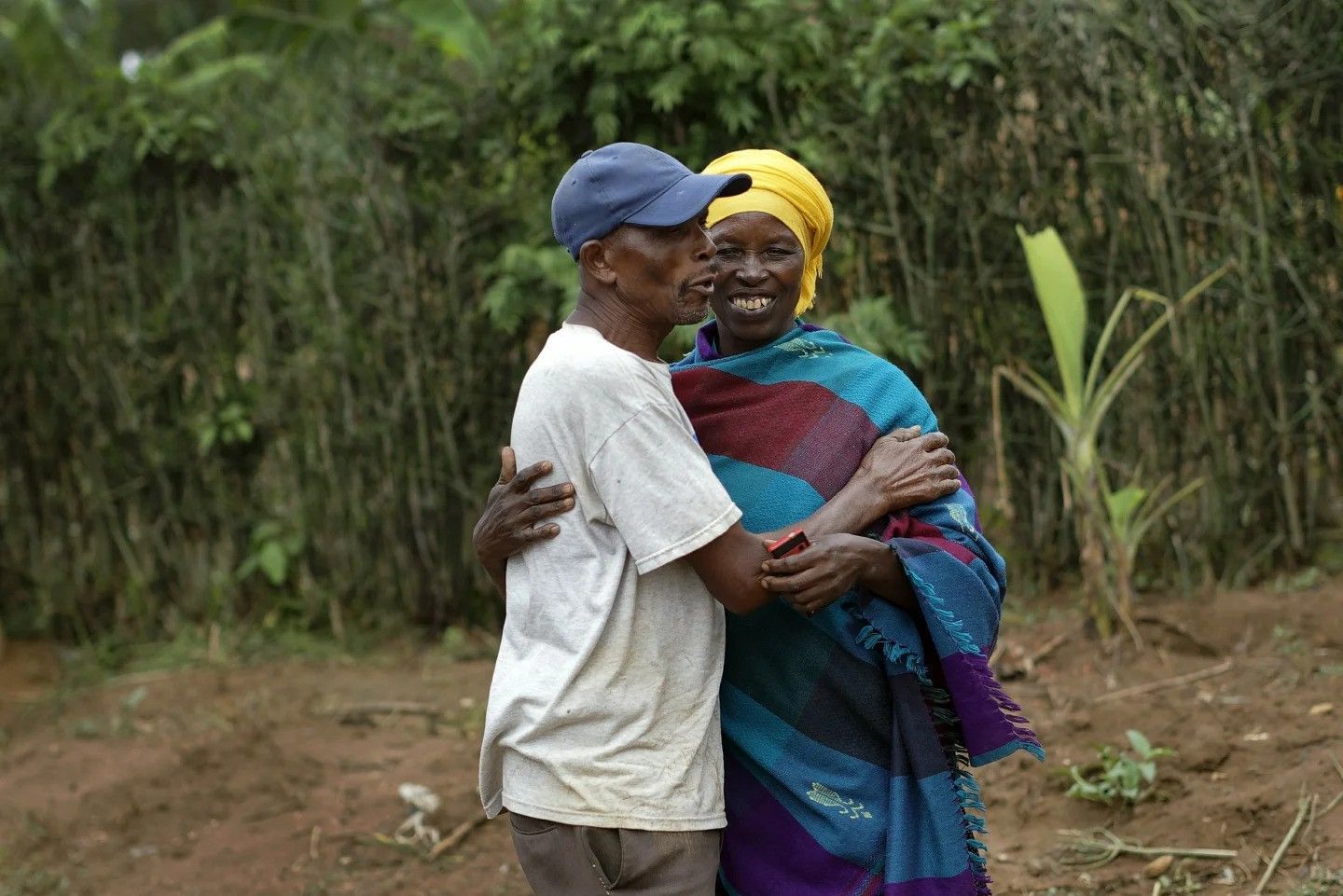
Today, they're not just neighbors. They're friends. Some have intermarried. They farm together, celebrate together, rebuild together.
You'll spend a day with them. Not as a spectator, but as someone wrestling with the same question they faced: What does it take to choose reconciliation when everything in you screams for revenge?
Your Day: From Impossible Question to Possible Answer
9:00 AM - The Question
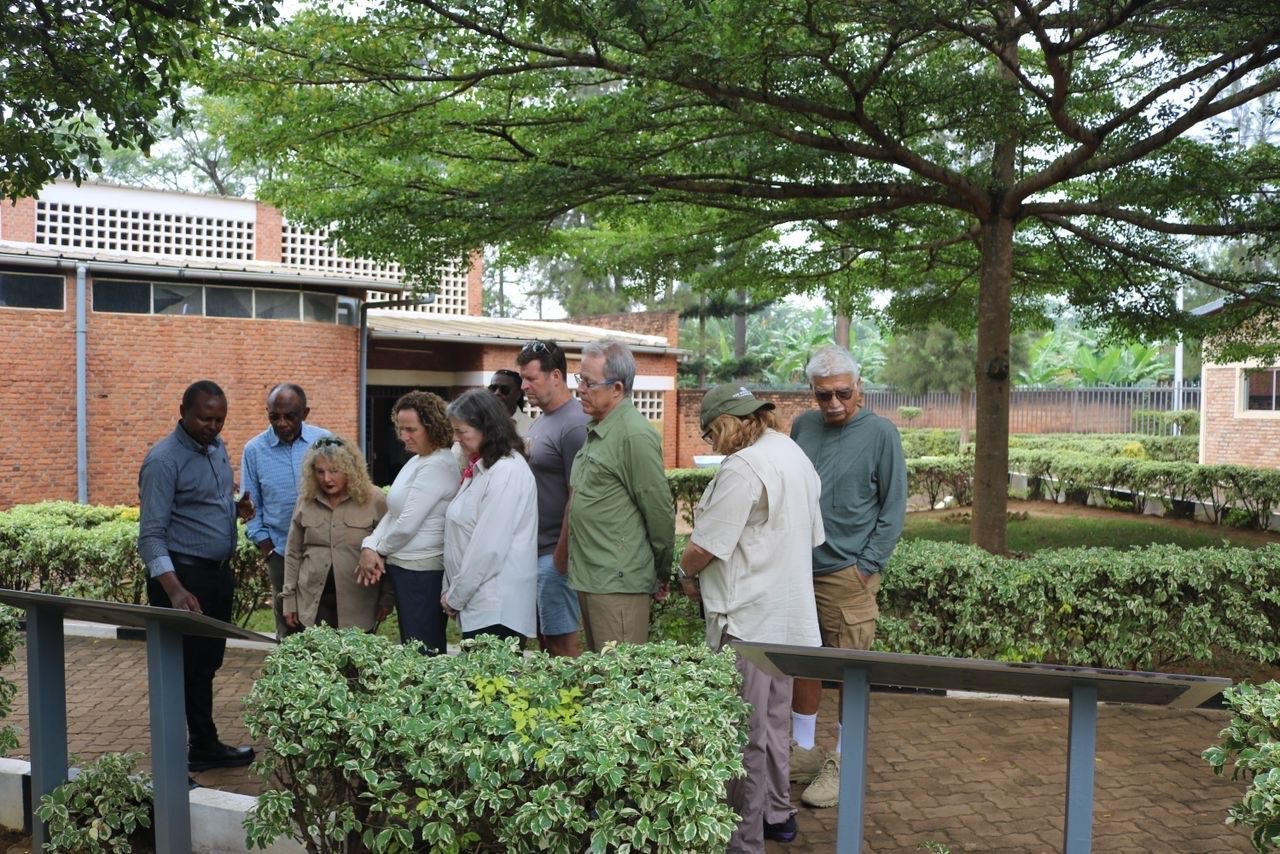
After a 40-minute drive from Kigali, you'll visit the genocide memorial.
This isn't easy. It's not supposed to be.
Before you go inside, your guide will ask you to hold one question through everything you see: Could I do what they did—not survive it, but forgive it?
Don't answer yet. Just hold the question.
11:30 AM - The Connection
Cooking class at the reconciliation village and sharing lunch with one of your hosts at the reconciliation village
Your guide will tell you: In Rwanda, sharing food means choosing to be community.
The people you're about to meet eat together every day. Survivors and perpetrators. Breaking bread. Breaking barriers.
Before you meet them, you'll reflect on your own life: What conflict are you carrying? What would it take for you to share a meal with that person today?
Make it personal. That's when it clicks.
1:00 PM - The Revelation
This is why you came.
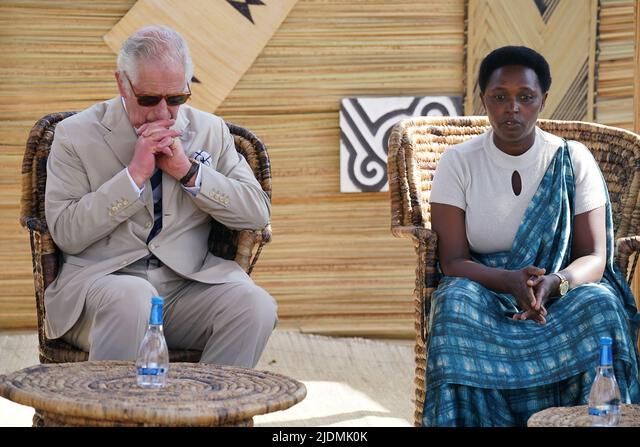
In Mbyo reconciliation village, you'll meet survivors, perpetrators, and returnees. They'll share their testimonies in their own words.
But here's what's different about this experience:
You won't just listen passively and move on. You'll be asked to notice:
- What moment surprises you?
- What makes you uncomfortable?
- What challenges your assumptions about forgiveness?
After the testimonies, you'll have structured time to process what you heard—first alone, then in small groups, then together.
Your guide won't give you answers. They'll ask you questions:
- Is reconciliation about feeling better, or acting better?
- Can you forgive without forgetting? Should you?
- What's harder: forgiving someone who harmed you, or accepting forgiveness when you've harmed someone else?
This is where most visitors realize: Reconciliation isn't something these people achieved. It's something they choose. Every. Single. Day.
2:00 PM - The Practice (For groups of 4 or more)
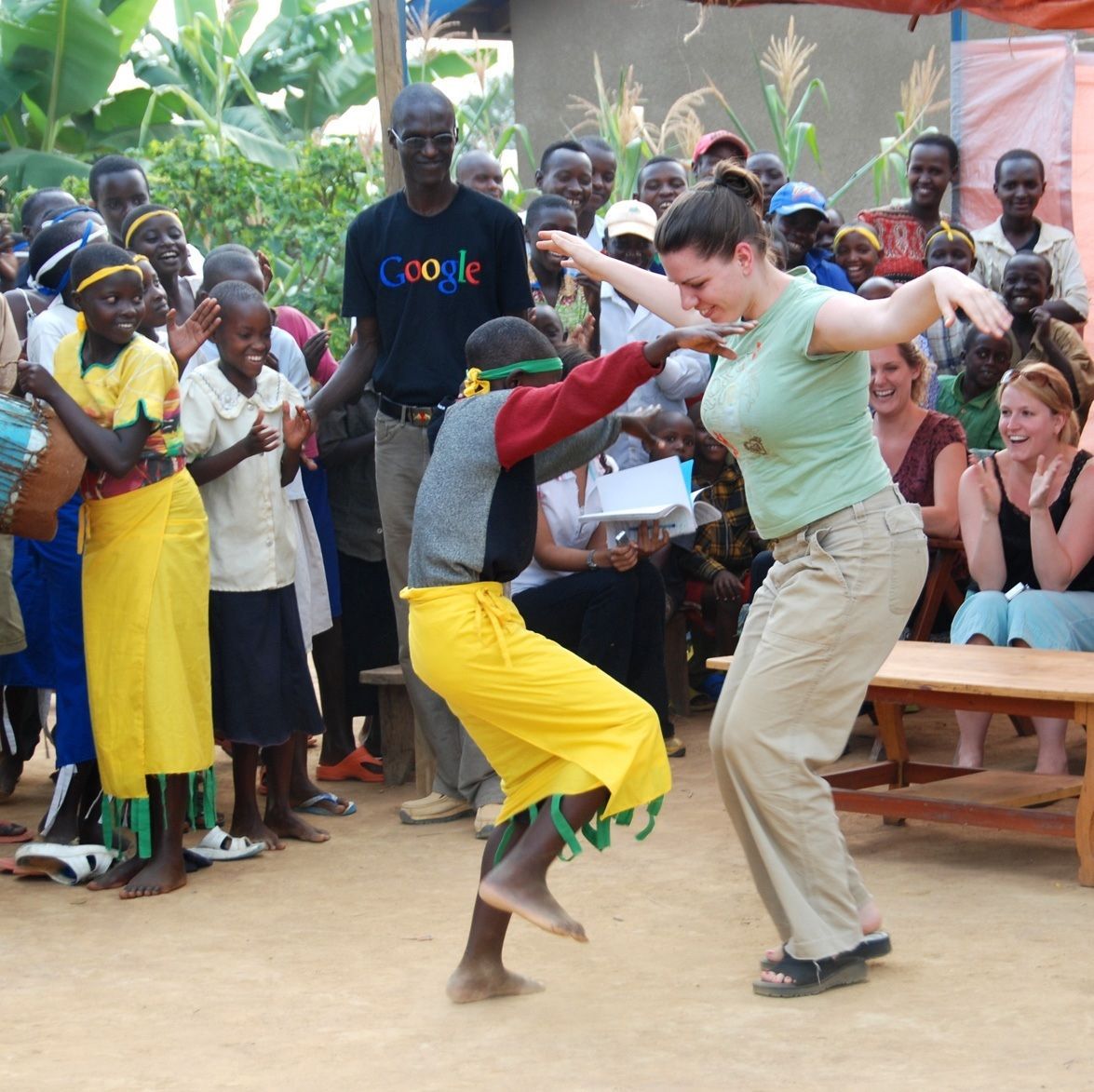
Join the community for a traditional ubusabane ("get together") ceremony.
Watch who stands next to whom. Who shares drinks with whom. Who laughs together.
Your guide will quietly point out: Those two women? Best friends now. One's a survivor. One's married to a perpetrator.
This isn't a performance for tourists. This is Tuesday afternoon for them. You're witnessing what reconciliation looks like when it becomes normal.
3:00 PM - The Commitment
On your drive back, your guide will ask:
What conflict in your life needs you to choose peace—not once, but every day? What would that look like?
You'll receive a card to complete:
"Because I was in Mbyo today, I will: _______________"
You don't have to show it to anyone. But keep it. On the day when choosing peace feels impossible, remember: The people you met today felt the same way.
And they chose anyway.
4:00 PM - Arrive in Kigali
You'll leave with more than photos. You'll leave with a question you can't unhear: If they could forgive genocide, what excuse do I have?
Why This Experience Is Different
We are the only tour provider entrusted by both the srvivors and perpetrators to show you reconciliation. We help you discover what it reveals about being human.
You won't get:
- ❌ A lecture on Rwanda's recovery
- ❌ Passive observation of "inspiring" stories
- ❌ Feel-good platitudes about forgiveness
You will get:
- ✅ Direct testimonies from survivors, perpetrators, and returnees
- ✅ Structured time to process and reflect on what you hear
- ✅ Provocative questions that connect their choices to your life
- ✅ Facilitated discussion that helps you make meaning
- ✅ A personal commitment to take home
This isn't inspiration. It's transformation.
What This Isn't
Let's be clear about what we're offering:
This is NOT:
- Poverty tourism
- Trauma tourism
- A lesson on development interventions
- Entertainment
This IS:
- An encounter with people who made impossible choices
- A mirror that reflects your own capacity for peace
- A challenge to your assumptions about justice and forgiveness
- A community inviting you to witness their daily practice of reconciliation
If you want to feel good about yourself, this isn't for you.
If you want to be challenged, changed, and forced to confront what reconciliation might require of you—welcome.
Community-Based Tourism That Gives Back
Over 200 community members participate in our tourism cooperative, providing services on a rotational basis.
Every visitor fee contributes directly to:
- Education Fund - Supporting school needs and student opportunities
- Health Fund - Ensuring continued healthcare access
- Community Development Fund - Building infrastructure and capacity
The people who share their stories with you benefit from your presence.This isn't extraction—it's exchange.
What's Included
Your Experience:
- Round-trip transportation from Kigali
- Professional interpretive guide (not just a tour guide—a facilitator of meaning)
- Genocide memorial visit with provocative framing
- Traditional Rwandan lunch
- Direct testimonies from survivors, perpetrators, and returnees
- Structured reflection and small group discussion
- Traditional ubusabane ceremony with community
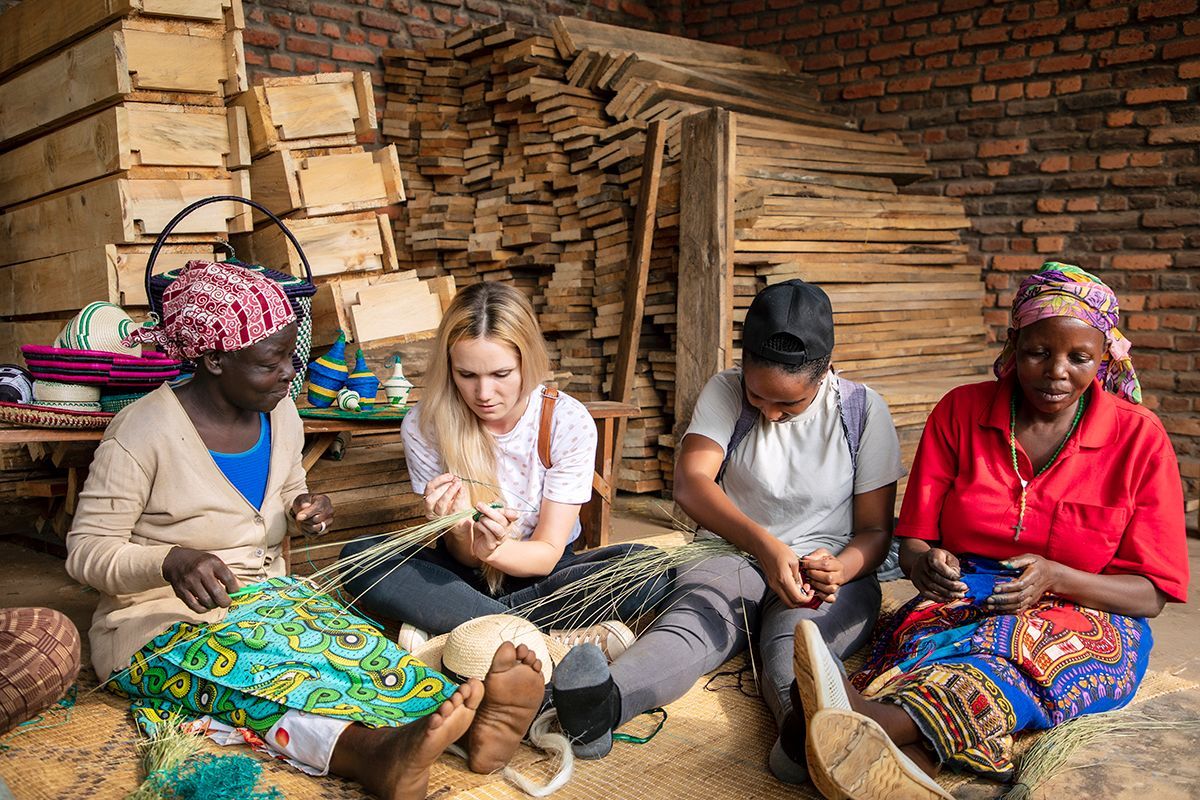
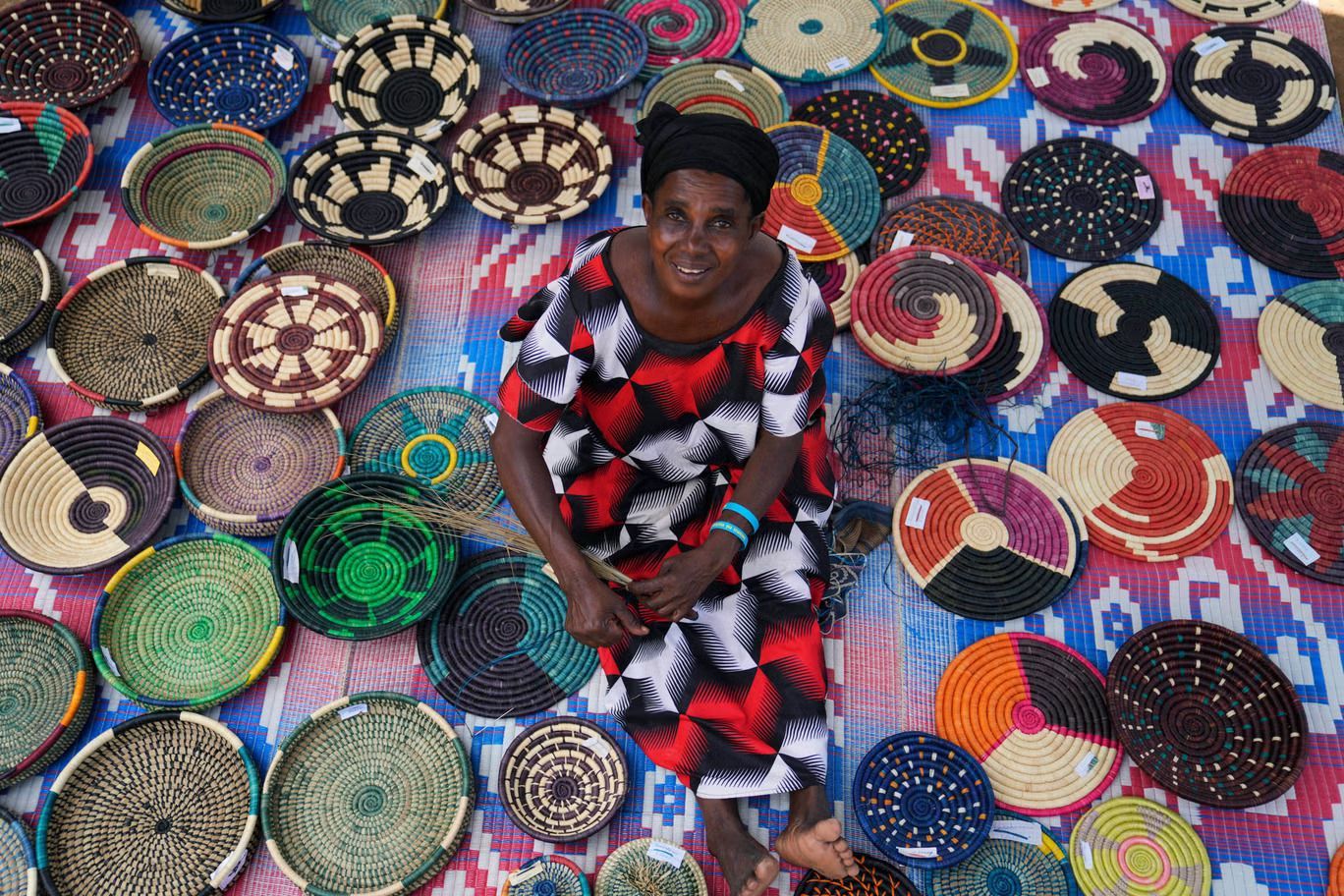
- Handicraft cooperative demonstration
- Personal commitment card
- All entry fees and community contributions
Practical Details:
- Duration: Full day (6-7 hours)
- Group Size: Small groups (maximum 12 people) for meaningful interaction
- Difficulty: Light walking
- Recommended For: Adults and mature teens (16+)
- What to Bring: Comfortable walking shoes, sun protection, notebook/journal, open mind and heart
Note on Photography: Permitted in most areas. We ask for sensitivity and permission during personal testimonies.
What Visitors Say (And What They Mean)
"I came to understand Rwanda's recovery. I left understanding why I can't let go of a grudge against my sister."
"I thought reconciliation meant 'getting over it.' I learned it means choosing peace even when you're not over it."
"This wasn't a tour. It was a question I'll be answering for the rest of my life."
"I expected to be inspired. Instead, I was confronted. In the best way."
"They didn't tell me what forgiveness looks like. They asked me what it would cost me. I'm still thinking about my answer."
Who This Is For
You should come if:
- You're carrying a grudge, resentment, or conflict you can't seem to release
- You want to understand what reconciliation actually requires (not what it looks like from the outside)
- You're willing to be uncomfortable
- You believe travel should change you, not just show you things
- You want to support community-based tourism that benefits the people who share their stories
You should NOT come if:
- You want a feel-good experience
- You're looking for simple answers about forgiveness
- You're not ready to reflect on your own conflicts
- You prefer passive observation over active engagement
- You're uncomfortable with difficult questions
Ready to confront the question: If they could forgive genocide, what excuse do I have?
Some truths can only be understood through presence. This is one of them.
Frequently Asked Questions
Is this emotionally difficult?
The memorial is confronting. The testimonies are raw and honest. But here's what surprises most visitors: when you arrive in Mbyo, you're met by a thriving community of neighbors, friends, and families living ordinary lives together. If no one told you their history, you'd never guess the horror they survived and caused. That contrast—between the unimaginable past and the remarkably normal present—is precisely what makes this experience so powerful. You'll witness that reconciliation isn't just possible, it's being lived every day.
Will I have time to process what I hear?
Absolutely. Unlike traditional tours, we build in structured reflection time. You'll have moments alone with your thoughts, small group discussions, and guided facilitation.
What if I don't have answers to the questions?
Perfect. The questions are very light hearted and more important than answers. We're not looking for correct responses—we're creating space for you to wrestle with hard truths.
Is this appropriate for children?
We recommend ages 16 and above. The content includes genocide history and testimonies about violence and trauma. Mature teens who can engage with difficult material are welcome.
What languages are available?
Tours are conducted in English and Kinyarwanda.
Can I book a private tour?
Yes, infact all our tours are private. Private tours can be arranged for families, groups, or individuals seeking a more intimate experience. The interpretive approach remains the same.
What's your cancellation policy?
Full refund if cancelled 7+ days before tour date. 50% refund if cancelled 3-6 days before. No refund within 48 hours of tour date.
How do I get to the meeting point?
We pick up from hotels/locations in Kigali. Exact pickup time provided upon booking.
I'm traveling solo. Will I feel awkward in group discussions?
Solo travelers often find the small group discussions powerful. You'll be with other thoughtful people wrestling with the same questions. We create a safe space for vulnerability.
What if the testimonies trigger trauma for me?
Your guide is trained to hold space for difficult emotions. If you need to step away at any point, that's completely acceptable. We also recommend considering your own readiness before booking.
Will I be pressured to share personal things?
Never. Reflection is invited, not required. Share what feels right for you.
How is this different from just visiting the memorial?
The memorial provides context. The reconciliation village provides proof that moving forward is possible. The interpretive approach helps you understand what it means for your own life. All three pieces work together.
A Note From Our Founder
When we started offering tours in 2006, we thought we were showcasing and using tourism to promote sustainable development. Better crop yields. Health insurance expansion. School enrollment.
Then we discovered the reconciliation village in Mbyo. And everything changed.
Visitors stopped asking about the Millenium Village interventions. They started asking: "How is this possible?"
We realized: They weren't looking for statistics. They were looking for proof that humans can choose peace. And maybe, permission to try it themselves.
So we stopped just showing the successful development initiatives. We help you discover what reconciliation means.
This work is operated by people who believe that witnessing forgiveness can awaken it in others.
Come wrestle with the impossible question. Come meet people who answered it differently than you might expect.
Come discover what their choice reveals about yours
This experience is operated by New Dawn Associates Ltd (NDA), pioneers in interpretive, community-based tourism in Rwanda since 2006.
- Main partners: UN Millennium Villages Project (MVP), Rwanda Community Works (RCW), Rwanda Nziza Tourism Cooperative, local authorities
- Number of direct beneficiaries: ca. 200 cooperative members
- Number of indirect beneficiaries: the wider Millennium Village community with 50,000 inhabitants
- Community percentage of profit sharing: at least 70%
- Material community benefits: ca. 50 rotating income-generating opportunities, community development fund, education fund, health fund, sale of handicrafts
Prices:
- 1-2 persons: $120/person excl. transport
- 3-5 persons: $100/person excl. transport